Why China?
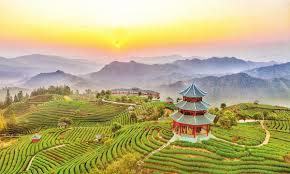
The answer is relatively obvious – because it is the home for the world’s widest and richest collection of teas (literally counted in thousands). It is also known for excellence, quality, offering grand crus of the best kind to impress, charm and satisfy the most demanding tea enthusiasts.
How much is actually consumed?
China is well known for producing tea of multiple colours but the green tea is by far becoming a favourite drink of local people. China consumes 66% of what it actually produces and about 75% of that is green tea, the rest belongs to black (about 25%) and oolong (about 5%) tea.
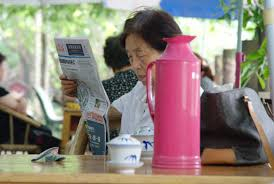
Other white and yellow teas are processed in significantly lower quantities. Tea drinking plays an important role in Chinese daily routine. They prepare it in a specific manner, reinfusing the same leaves multiple times a day. Every day, Chinese put a handful of tea leaves into their flasks and carry them all day long, refreshing regularly with extra boiling water.
In the past Oolong and Pu Erh have been drunken mainly in the south cities such as Guangzhou or abroad but it is changing now. We are observing the reopening of tea houses across the country. The rise of the upper middle class in more affluent coastal provinces has formed a bigger market with renewed interest in quality tea. Unfortunately, prices have become subject to substantial inflationary pressure.
Main tea-growing provinces
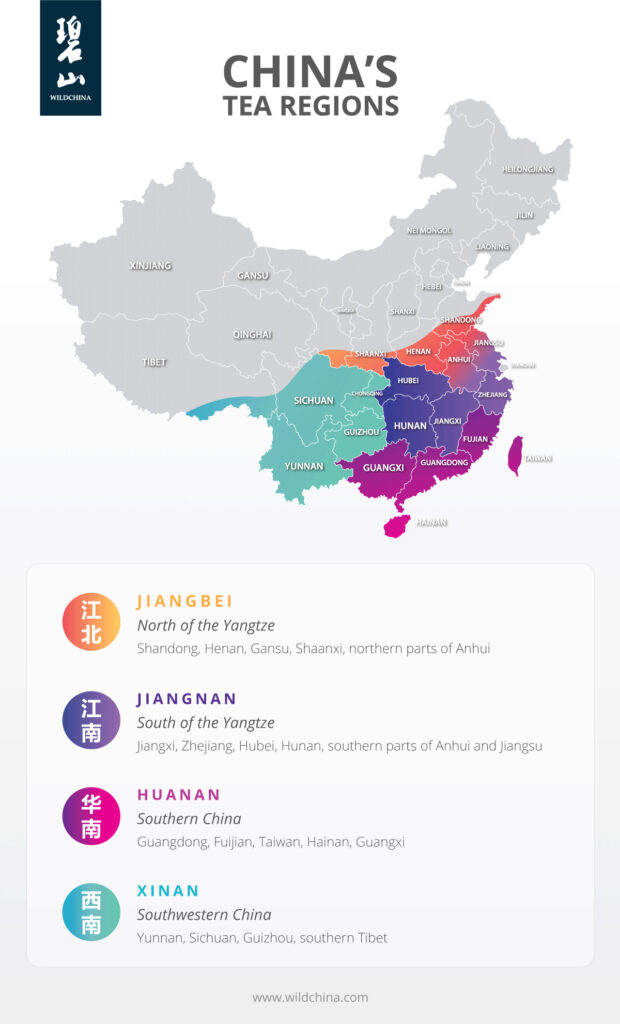
Main tea cultivating regions are in the south of the country, especially in Fujian, Zhejiang, Yunnan, Sichuan, Hunan and Anhui. Tea is produced in more than twenty provinces and each offers a broad variety of climatic and geologic features. In some parts, tea is harvested all year round, and in some it’s done seasonally.
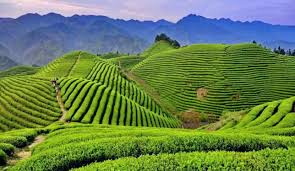
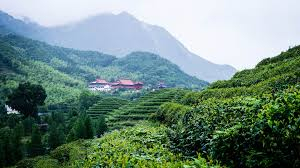
The regions that produce the highest quality tea are usually located in mountainous landscapes with moderate altitude. Quite often, the name of the mountain comes from the tea grown on its slopes. It resembles the appellation system for wine in France. Plenty of Chinese villages with a distinctive expertise apply their name based on the tea they grow.
Fujian
This is the most productive region. It generates about 20% of the total output in the country. It boasts a widest variety of teas and is the birthplace of all processing methods. There are three areas which are very famous: the surroundings of the city Fuding which is known for producing the best white, green and jasmine teas. Also, the Wu Yi Shan mountain range is renowned for oolong “cliff teas” and its smoked teas. Lastly, the Anxi district which is the leader in producing the best Tie Guan Yin teas.
Zhejiang
This is the second most productive area in the country, producing about 17% of the total output. It specializes in green teas exclusively and all qualities. Its famous product is gunpowder tea produced on a huge industrial scale. It’s often mediocre and intended primarily for export. This tea originated in Zhejiang, same as Long Jing, and is considered a special artisanal green tea admired by all Chinese.
Yunnan
This region has been one of the two largest producers of the black tea for sixty years. It is said that the first tea plants were grown in the forests of this province. Yunnan was the point where the first tea and horse trading routes were starting from. Unsurprisingly, it continuously produces large quantities of compressed tea that was first transported westward 1,500years ago. There is also the autonomous prefecture of Xishuangbanna and the district of Lincang which represent two principal regions producing Pu Erh teas.
Anhui
This region has a limited production, only about 6%, but extremely high quality. There is a famous Huangshan mountain range (called Yellow Mountains) in the vicinity of Shanghai, a place where the world class best green tea is harvested. You could also find there Qimen, a black tea whose reputation is legendary worldwide.
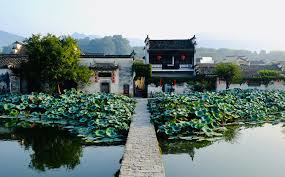
If you are planning on visiting China and exploring one of the best teas in the world please do not forget about these authentically high quality tea production regions.
Happy tea time!